
Why SuperMuse?
Before it was SuperMuse, it was VoxMind. I had a fairly simple idea: an AI-native tool for taking notes and developing ideas, built around voice. A thought rarely arrives fully formed. Sometimes it’s just a sentence that comes to you on a walk, in the car, or over coffee. I wanted to be able to say it out loud, without waiting to get back to my computer, and have AI help me capture it and think it through. Those fragments could eventually become an article or something else.
But the longer I worked on it, the less convinced I was that helping people write faster with AI was what I really wanted to do.
AI is already good at generating content. Give it a prompt and it can write an article or generate an image, a piece of music, even a video. It’s getting faster, and the results are improving. But as producing something becomes easier, I find myself wondering whether the hardest part comes before we start: Why do we want to write about this in the first place? Where does an idea of our own come from?
Muse
A writer might call someone “my muse”; a photographer might say the same about a city. We often use the word to mean a source of inspiration.
In the best-known Greek tradition, the Muses are nine goddesses of art and knowledge. Poets would often open by asking a Muse to help them tell their story, as Homer does in the Odyssey.
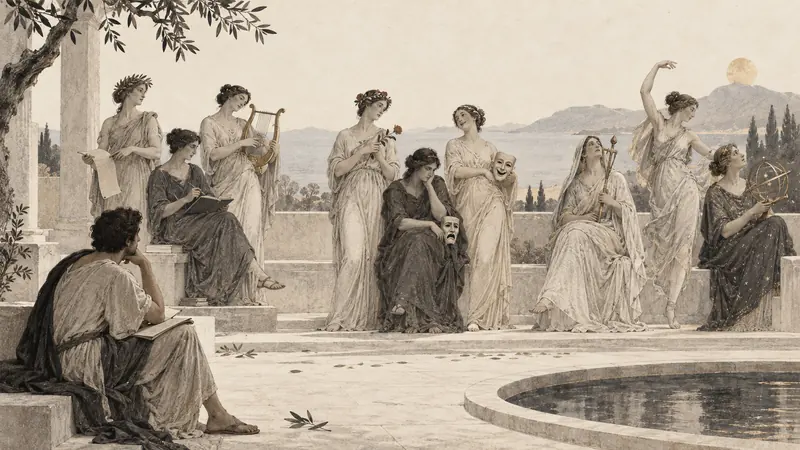
I like this view of creative work: the poet draws on what they’ve heard and remembered, then tells the story in their own way.
Memory Gave Birth to the Muses
To me, the word Muse suggests memory, discovery, and connection, as well as creativity.
But what really drew me to the name was learning that the nine Muses were daughters of Mnemosyne, the Greek goddess of memory.
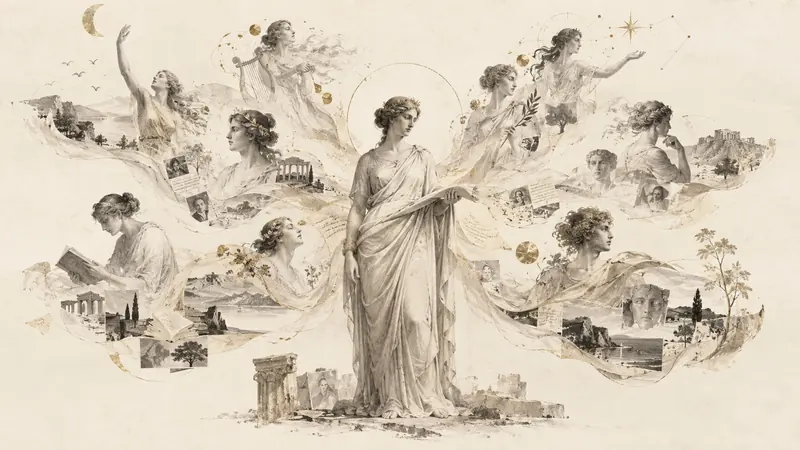
In Hesiod’s Theogony, Zeus and Mnemosyne spend nine nights together, and she later gives birth to the nine Muses. I love the metaphor in that story:
Memory gave birth to the Muses.
Inspiration, born of memory.
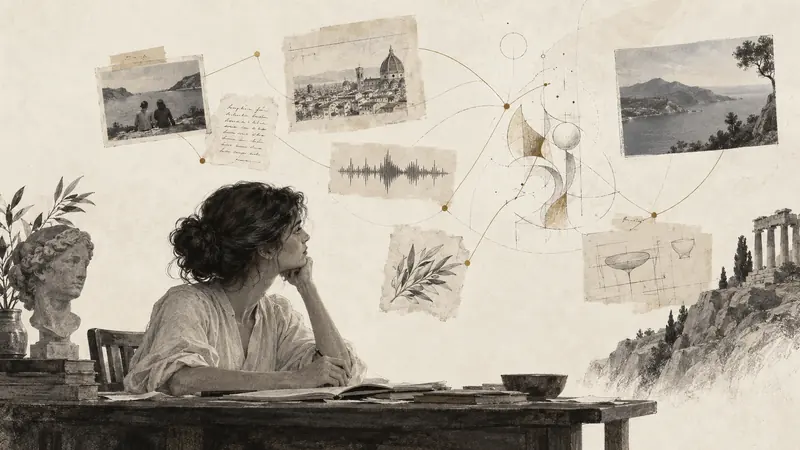
A book we read years ago can suddenly help us understand a problem we’re facing today. An idea we once shelved might become possible thanks to new technology. Sometimes that flash of insight comes when something from our past connects with what we’re thinking about now.
Memory → Connection → Inspiration
Inspiration Is Only the Beginning
Most of my ideas start out vague. A product might begin as a single sentence; an article, as a feeling that there’s something worth thinking through. I read, talk it over with AI, and make a first version. That usually reveals something that doesn’t quite work, and I go back and rethink it. Sometimes I have to start making something before I understand what I want to make.
We don’t simply put ideas into practice. We shape and refine them through the work itself.
Context Is More Than Memory
Our context includes the article we’ve just read, the draft we’re working on, and what we’ve learned from the last attempt, alongside our memories. It changes as the work develops.
That’s what interests me about context engineering: What does this idea need right now? When I’m stuck, an example might help. When I’m too sure of myself, I might need a counterexample. What we bring into the discussion can change where our thinking goes next.
As we give AI the context it needs, AI can help us put our own thinking in a new context.

AI Can Be a Muse
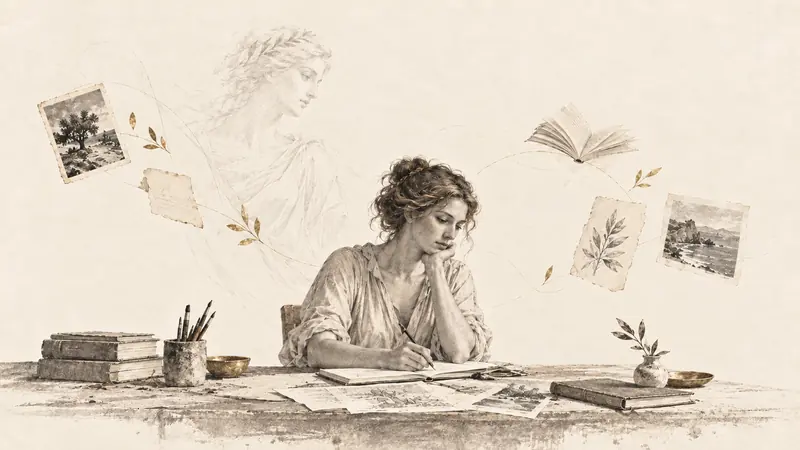
I’d like AI to be a Muse: to spark ideas and question my assumptions. I still decide what to keep, what I agree with, and how to say it. After a good discussion, I should have a clearer sense of what I think.
The creator is still human.
SuperMuse
VoxMind made sense when the idea was to capture thoughts through voice. As I kept building, I wanted the product to help those thoughts take shape, too. SuperMuse felt closer to what I had in mind.
Adding Super was mostly a practical choice. SuperMuse was easy to remember, and Muse on its own was hard to register.
If there’s a hope behind the name now, it’s that this Muse can help us stay with an idea a little longer, while we’re still figuring out what it could become.